

BLOG
What Is Modacrylic Fibre? Properties, Benefits and Applications in PPE,
[ 03.11.2026]
What Determines the Performance of FR Fabrics? A Guide to Flame-Resistant Textile Development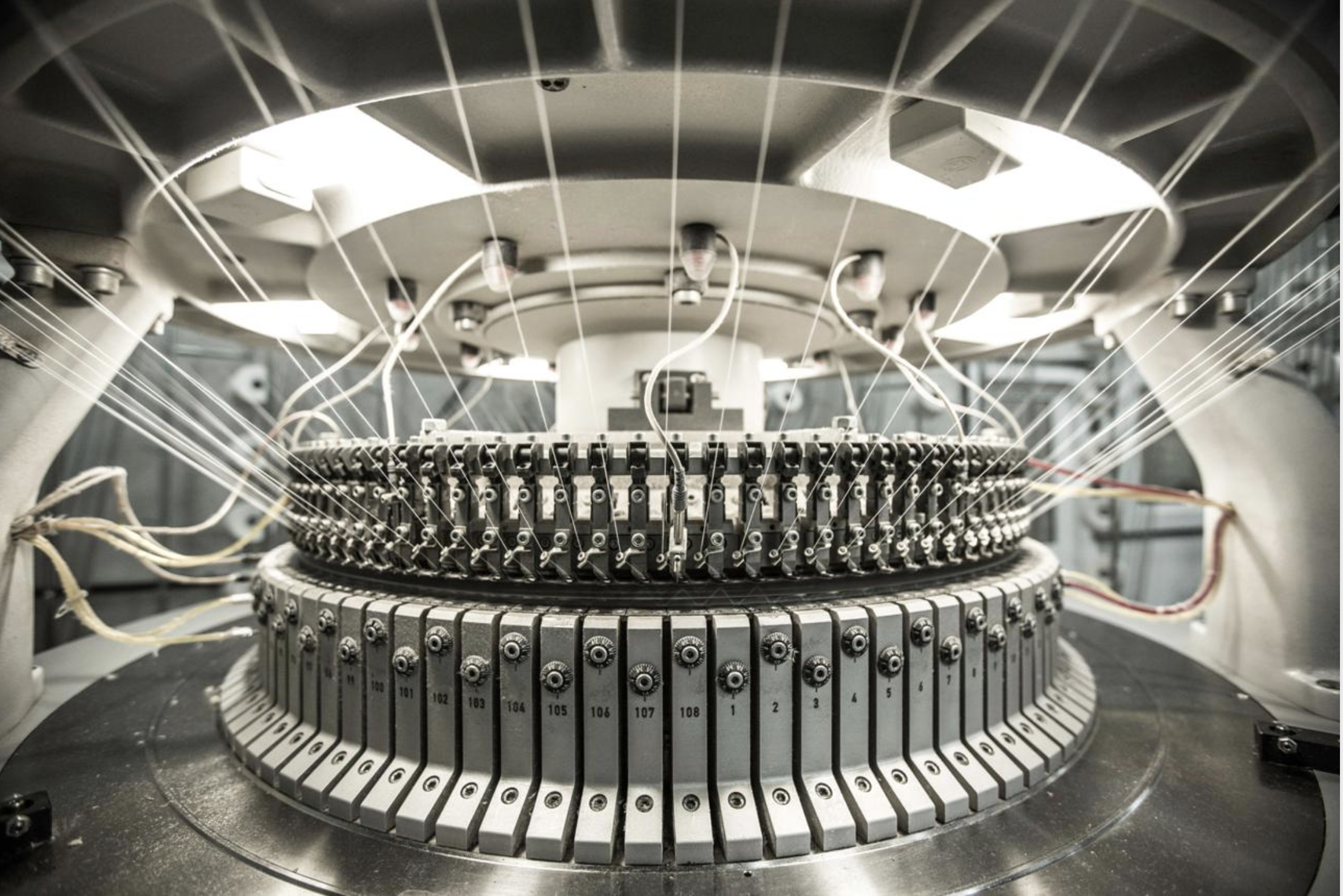
Flame-resistant (FR) fabrics play a critical role in personal protective equipment (PPE), helping protect workers from potential heat and flame hazards in industrial environments.
However, what makes an FR fabric perform effectively?
Is it the fibre composition, yarn quality, fabric construction or finishing process?
In reality, the performance of flame-resistant fabrics depends on several interconnected factors. Understanding these elements is essential for developing protective textiles that balance safety, durability and wearing comfort.
1. Fibre Composition: The Foundation of FR Performance
Fibre selection is the first and one of the most important steps in FR fabric development.
Different fibres offer different levels of flame resistance, thermal stability, mechanical strength and comfort.
Common fibres used in FR textiles include:
-
Modacrylic: An inherently flame-resistant fibre widely used in FR workwear and knitted base layers.
-
Meta-Aramid: Known for excellent thermal stability and heat resistance.
-
FR Viscose: Offers inherent flame resistance combined with softness and moisture absorption.
-
Cotton: Provides natural comfort and moisture absorption. For FR applications, it needs to be part of an appropriately engineered flame-resistant fabric system.
-
Antistatic Fibres: Incorporated to help control electrostatic charge in protective clothing.
The right fibre blend depends on the intended application, required protection level and target fabric characteristics.
2. Yarn Structure and Quality
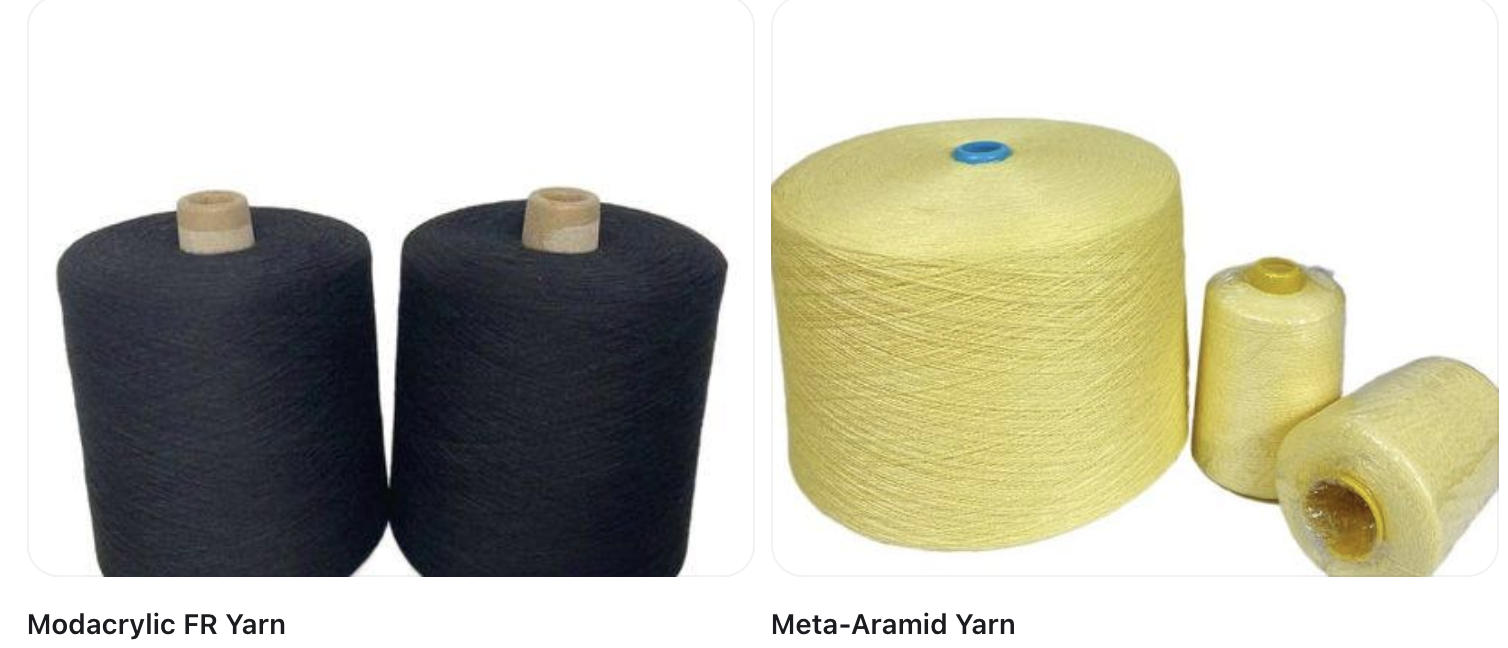
After selecting the fibres, yarn engineering becomes another important factor.
Yarn count, spinning method, fibre blending and yarn uniformity can all influence the final fabric performance.
Important considerations include:
-
Yarn count and thickness.
-
Fibre blending uniformity.
-
Yarn strength and elongation.
-
Surface characteristics.
-
Yarn consistency during knitting.
A well-engineered yarn helps achieve consistent fabric weight, appearance and mechanical properties.
For FR knitted fabrics, yarn selection must also consider knitting efficiency and the requirements of the finished garment.
3. Fabric Construction: Structure Matters
Fabric construction directly influences the physical properties and wearing characteristics of FR textiles.
Different knitted structures provide different levels of thickness, flexibility, breathability and dimensional stability.
Common knitted structures include:
Single Jersey
A lightweight and flexible structure, suitable for FR base layers and lightweight protective garments.
Interlock
A double-knit structure offering a smoother surface, greater thickness and improved dimensional stability compared with many single-jersey constructions.
Piqué
A textured construction that can provide an interesting balance of appearance, airflow and wearing comfort.
Seamless Knitting
Advanced seamless knitting technology allows different fabric structures and functional zones to be integrated into one garment, helping reduce seams and improve garment fit.
Choosing the appropriate construction is essential for achieving the desired balance between protection and comfort.
4. Fabric Weight and Thickness
Fabric weight, usually expressed in grams per square metre (GSM), is another important consideration.
Different PPE applications require different fabric weights.
For example:
-
Lightweight FR base layers may prioritise flexibility and wearing comfort.
-
Midweight FR knitted garments may provide a balance between comfort and fabric substance.
-
Heavier protective fabrics may be developed for applications requiring more substantial material constructions.
However, a higher GSM does not automatically mean better flame protection.
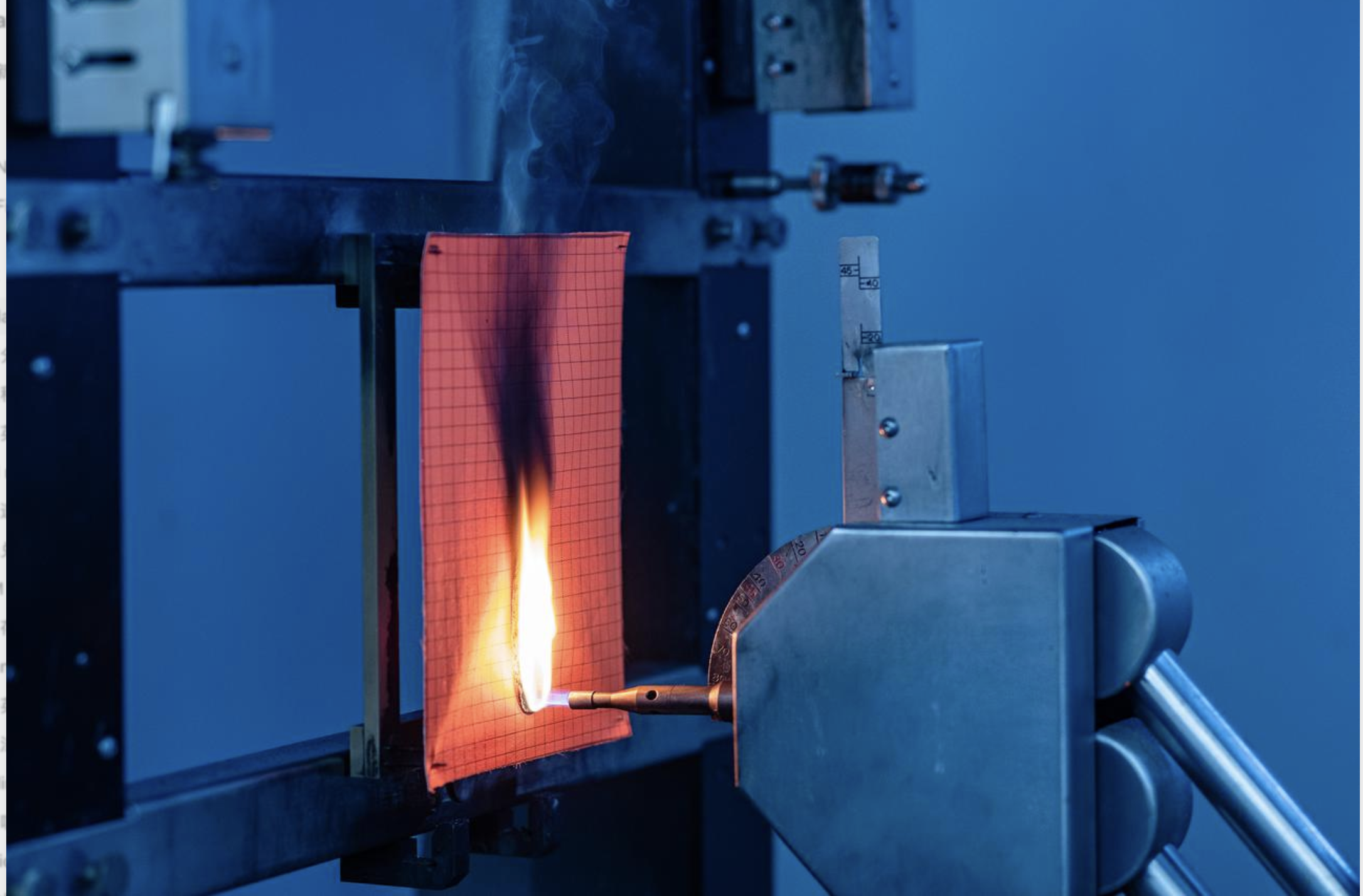
Actual protective performance must be verified through appropriate laboratory testing.
5. Finishing Processes and Fabric Treatments
Finishing processes can influence the final appearance, dimensional stability, handle and functional characteristics of textile fabrics.
Depending on the fibre composition and application, finishing may include:
-
Heat setting.
-
Washing and relaxation.
-
Dimensional stabilisation.
-
Dyeing and colour control.
-
Moisture management treatments.
For inherently flame-resistant fibres, the flame-resistant properties are built into the fibre itself. Nevertheless, any additional treatment must be carefully evaluated to ensure it does not negatively affect the fabric's protective performance.
6. Testing and Quality Control
A fabric's actual protective performance cannot be determined by fibre composition alone.
Laboratory testing is essential to verify whether the finished fabric or garment meets the relevant requirements.
Common standards for protective clothing include:
| Standard | Main Requirement |
|---|---|
| EN ISO 11612 | Protection against heat and flame |
| IEC 61482-2 | Protection against thermal hazards of electric arcs |
| EN 1149-5 | Electrostatic properties of protective clothing |
| NFPA 2112 | Flame-resistant garments for flash fire protection |
Depending on the application, testing may also include:
-
Limited flame spread.
-
Heat transmission.
-
Tensile strength.
-
Tear resistance.
-
Dimensional stability.
-
Colour fastness.
-
Performance after repeated laundering.
The appropriate test methods and acceptance criteria depend on the specific standard and product category.
Consistent quality control throughout material sourcing, knitting, finishing and garment production is equally important.
7. Comfort and Functionality: Beyond Flame Resistance
Modern protective clothing must do more than provide flame resistance.
Workers may wear protective garments for extended periods and under physically demanding conditions. Therefore, comfort and functionality are essential considerations.
FR fabric development should also consider:
Moisture Management: Helping manage perspiration during physical activity.
Breathability: Supporting airflow and wearing comfort.
Flexibility: Allowing freedom of movement.
Softness: Improving comfort, particularly for garments worn next to the skin.
Dimensional Stability: Maintaining garment shape and fit after washing.
Combining appropriate fibres with carefully designed knitted structures can help achieve these objectives.
8. Keensun: From Fibre Selection to FR Fabric Development
At Keensun, we believe that high-performance FR textiles start with a thorough understanding of materials, yarn engineering and fabric construction.
We specialise in developing and manufacturing flame-resistant knitted fabrics and protective base layers for industrial applications.
Our development capabilities include:
-
Modacrylic and cotton fibre blends.
-
FR viscose and functional fibre combinations.
-
Antistatic knitted fabrics.
-
Lightweight FR jersey and interlock constructions.
-
Seamless knitted structures.
-
Functional textiles with moisture management and cooling properties.
By combining material knowledge with knitting technology and quality control, we work with customers to develop FR textile solutions tailored to their product requirements.
The performance of an FR fabric is never determined by one factor alone. It is the result of the right fibres, the right yarns, the right construction and the right testing.
Looking for a manufacturing partner for your next FR fabric or protective base layer project?
Contact Keensun to discuss your development requirements.
Website: www.keensunsafety.com
Email: info@keensunsafety.com
Keensun – Your Partner in FR Knitted PPE Development.
[Back]